


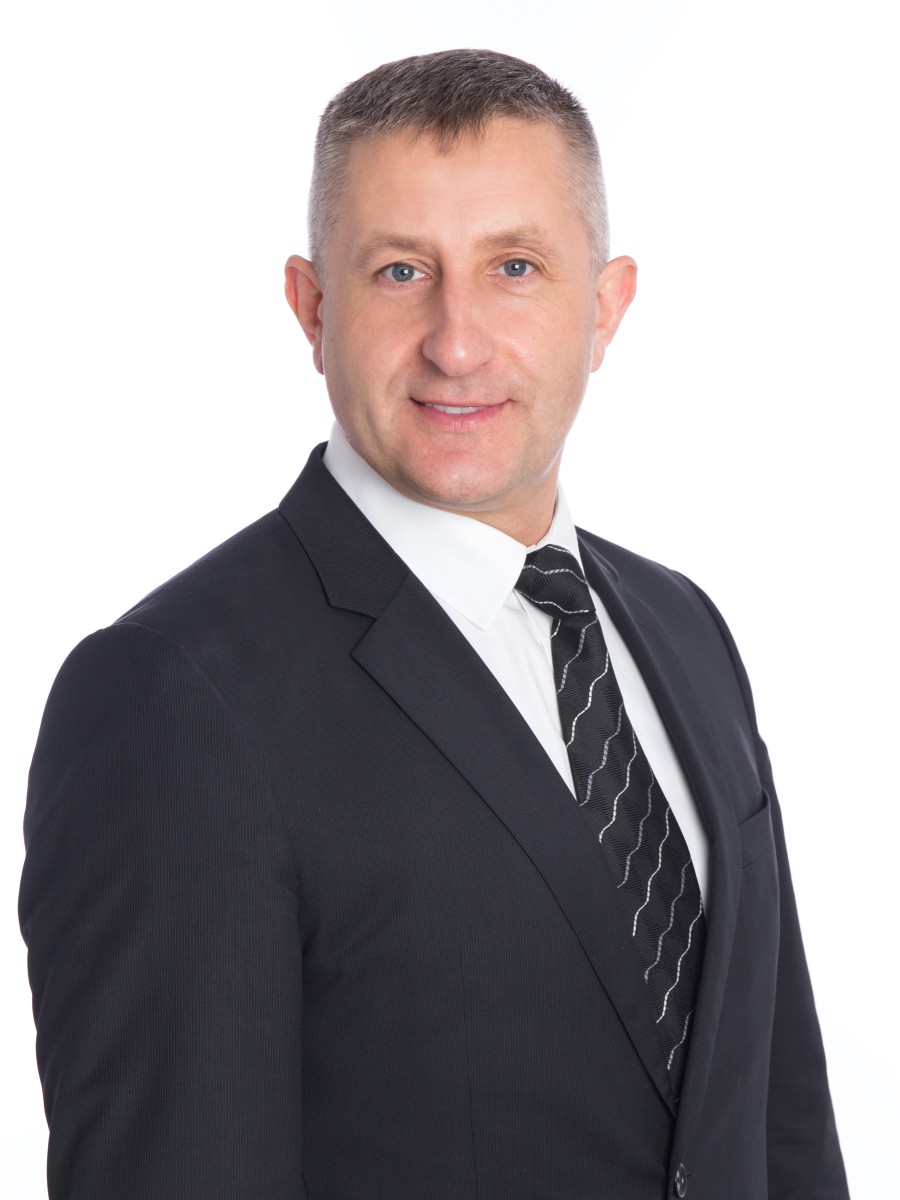
 Granting temporary residence permits in exchange for the purchase of real estate is an instrument that provides the Latvian economy with the necessary "oxygen" - investments that create growth, jobs and tax revenues, Aigars Smits, Chairman of the Board of the Latvian Association of Real Estate Transactions (LANIDA), told LETA.
He stressed that the residence permit program has already contributed hundreds of millions of euros to the country, which directly or indirectly supplements the state budget, develops regions and keeps economic activity alive at a time when the country's finances are under strain.
The residence permits program works in many European countries, Smits said, with Portugal, Greece, Cyprus and others using a similar approach to attract legal capital and build long-term economic stability.
"Latvia is no different from these countries - if we abandon this instrument, investors will choose other places to invest. This will mean lost jobs, less tax revenue and slower regional development. Investment is the life-blood of a country," said Smits.
Latvia cannot afford to close its doors to capital that can add value. Every euro invested in real estate means jobs in construction, services, architecture, interior design and other sectors. It is also a tax payment that goes into local and national budgets, and it is a development boost for regions where investor interest would otherwise be minimal.
Smits also stressed that such a program must not be perceived as a security threat. The LANIDA CEO pointed out that it is a legal and transparent system that operates in accordance with strict laws and international standards. If the requirements of the Law on the Prevention of Money Laundering and the Financing of Terrorism and Proliferation (AML/CFT) are respected, the process is fully controllable and secure.
LANIDA believes that real estate intermediaries in Latvia play an important role in ensuring security. They are the subjects of the AML/CFT law, which daily checks the parties to the transaction - their identity, financial origin, compliance with sanctions and other risks. Intermediaries identify safe transactions, manage the process and prevent potentially illegal activities, explained Smits.
In his view, a dangerous situation has now developed in Latvia which threatens both market transparency and national security - the problem of identifying dual citizens. LANIDA has already addressed the Justice Ministry, the Financial Intelligence Service, the Citizenship and Migration Board and the Latvian Council of Notaries, asking for clear answers on how to proceed if a person with, for example, Russian or Belarusian citizenship presents a passport of another country in a transaction, hiding the fact of a second citizenship.
"Unfortunately, there is currently no national mechanism to address this situation. There is no centralized database or system in Latvia to check whether a person presenting, for example, a Cypriot or Israeli passport also has Russian or Belarusian citizenship. In such a situation, the seller, intermediary or notary is not legally equipped to check the full details of the client," Smits said.
As a result, there is a risk that transactions are carried out in circumvention of regulatory restrictions, but the parties to the transaction are unable to objectively detect this, Smits admitted. In its reply to LANIDA, the Justice Ministry acknowledged that no official mechanism for verifying dual nationality has been developed and none is planned.
In Smits' opinion, this situation means that in practice it is still possible to circumvent the law and acquire property in Latvia using the citizenship of another country. The head of the association stressed that this is unacceptable, especially in this geopolitical situation, when Latvia lives in the shadow of war and in the direct neighborhood of an aggressor state.
LANIDA calls on the state institutions to cooperate and develop a common, secure and transparent mechanism for the verification of dual citizenship.
"Latvia needs to understand that economic openness and security are not in opposite camps. We can be both a safe and an attractive country for investment," Smits believes.
In his view, if Latvia abolishes the residence permits program or makes it practically impossible, it will not improve security but harm the economy by betraying investor confidence in other countries. In Smits' view, Latvia will lose not only money, but also its reputation as an open, understandable and predictable environment.